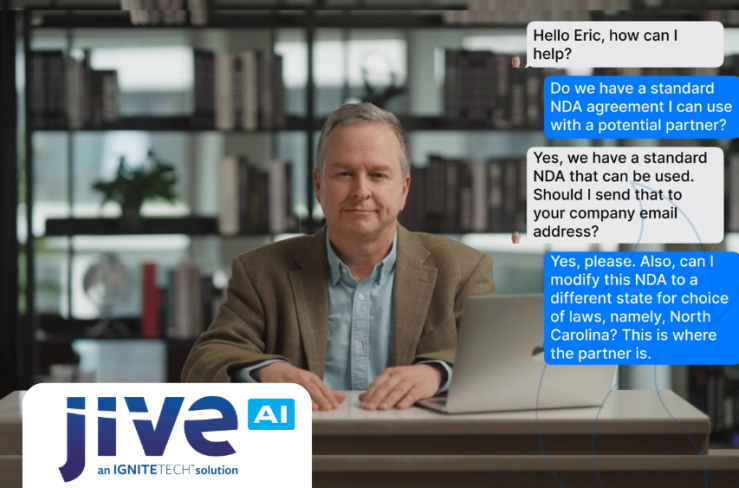
Supercharge Your Team: Expert Knowledge on Demand with Jive Personas
Apr 11, 2024
Discover how Jive Personas, an innovative AI-driven solution, transforms the way organizations access and leverage their collective knowledge. This blog post explores the game-changing potential of Jive Personas, which creates interactive, digital versions of your Subject Matter Experts, making their expertise available 24/7, across languages and time zones. Learn how Jive Personas empowers your team to make faster, data-driven decisions, collaborate without borders, scale expertise across your organization, supercharge remote teams, and capture your organization's collective wisdom, ultimately unlocking your organization's full potential.
Unravel the mysteries of how computers understand human language through the fascinating world of natural language processing (NLP). This blog post explores the foundations of NLP, the power of machine learning algorithms, and the diverse applications of this groundbreaking technology. Join us as we decode the complexities of NLP and discover the future of human-computer interaction.
IgniteTech Reinvents the Digital Workspace with AI-Powered Jive Personas, Unveiled at ImagineAI Live
Mar 28, 2024
IgniteTech CEO Eric Vaughan announces Jive Personas, empowering Jive customers with AI avatars that “clone” workers to allow digital interaction with Jive and the human SME personas
The Age of Generative AI: A Guide to Exciting New Careers
Mar 26, 2024
Generative AI is revolutionizing the way we work, creating new possibilities while raising important questions about the future. This blog explores the transformative impact of AI on jobs, delves into ethical considerations, and provides a roadmap for building a fulfilling career in this groundbreaking field. Discover the skills, roles, and strategies you need to navigate this exciting landscape!
Inside IgniteTech's AI-First Transformation: Culture, Products, and Strategy
Mar 5, 2024
At IgniteTech, we're boldly transforming our company with an AI-first approach. This blog post shares the key elements of our journey as we revolutionize our products with AI, invest in our team's AI skills, and cultivate an innovation-driven culture. Discover how we're leveraging AI to shape a smarter, more efficient future for enterprise software.